

The Difference Between Hard And Soft Water: Effects On Plumbing And Appliances
The debate between hard and soft water has been ongoing for many years, with each type having its own set of effects on plumbing systems and appliances. It is important to understand the differences between these two types of water in order to make an informed decision when it comes to your home’s water supply. This article will discuss the various distinctions between hard and soft water, their effects on plumbing and appliances, as well as provide insight into which one may be best suited for a particular situation.
Blackpool water hardness is rated as soft. While rainwater itself is relatively soft, water hardness can change through the water cycle. Due to the way water filters through rocks in Blackpool Water’s supply area, Blackpool water picks up minerals, such as magnesium or calcium, on the way to your tap.
Hard water contains high levels of dissolved minerals such as calcium and magnesium, while soft water does not contain any mineral content whatsoever. The presence of these minerals can affect the performance of both plumbing systems and appliances by creating scale buildup throughout them over time. Scale buildup results from these minerals being left behind after hot water evaporates, leading to clogged pipes or decreased efficiency in certain appliances that use heated elements like washing machines or dishwashers.
In addition to discussing the main differences between hard and soft water, this article will also explore other aspects related to this subject including cost analysis and environmental considerations. By understanding the effects that hard versus soft water can have on both plumbing systems and household appliances, readers can gain knowledge about how best to proceed when selecting a suitable option for their homes.
What Is Hard And Soft Water?
Water is classified as either hard or soft based on its mineral content. Hard water contains high levels of minerals, such as calcium and magnesium, while soft water has lower concentrations of these elements. This distinction has important implications for plumbing and appliances in the home.
The effects of hard water are twofold: it can create scale buildup inside pipes that restricts flow, which reduces efficiency; and it can wear away at appliance components over time due to corrosion. In contrast, soft water does not cause significant scaling within the pipes or corrode metal parts in washing machines or dishwashers. As a result, homeowners may find that their systems operate more efficiently with less maintenance when they use softer water.
When selecting a type of water for a home’s plumbing system, consideration should be given to both cost and performance considerations, depending on local conditions. Those who live in areas where hard water predominates may choose to install a special filter or treatment system to reduce hardness levels before using it in plumbing fixtures and appliances. On the other hand, those living in regions with naturally occurring soft water do not generally need to take any additional steps beyond ensuring adequate filtration for safety reasons.
How Does Hard And Soft Water Affect Plumbing?
Water hardness is a measure of the levels of calcium and magnesium in water. Hard water has higher concentrations than soft water, which contains very low amounts of these minerals. While hard and soft water both have their benefits, they can also cause different effects on plumbing systems and appliances.
The presence of high levels of calcium and magnesium in hard water makes it more difficult to dissolve soaps and detergents completely when used for cleaning. This can lead to clogged drains due to the buildup of soap residue over time. In addition, mineral deposits from hard water may accumulate inside pipes or fixtures, reducing flow rate and leading to pipe corrosion or damage. Soft water does not contain enough minerals for this problem to occur; however, its lack of natural protection means that additional measures must be taken to prevent corrosion caused by acids found in wastewater.
Another issue with using either type of water arises when it comes to home appliances such as dishwashers, washing machines and coffee makers. Mineral deposits caused by hard water can build up on heating elements within these appliances and reduce their efficiency over time. On the other hand, while soft waters are unlikely to form scale deposits on surfaces, some sources suggest that they can accelerate corrosion because they do not contain buffers against acidity like those found in harder waters.
When choosing between hard or soft water for homes or businesses, therefore, several factors should be considered including cost-effectiveness, convenience and potential risks associated with each option. It is important to understand how each affects plumbing systems and appliances before making any decisions about installing an appropriate treatment system.
Common Plumbing Issues Caused By Hard Water
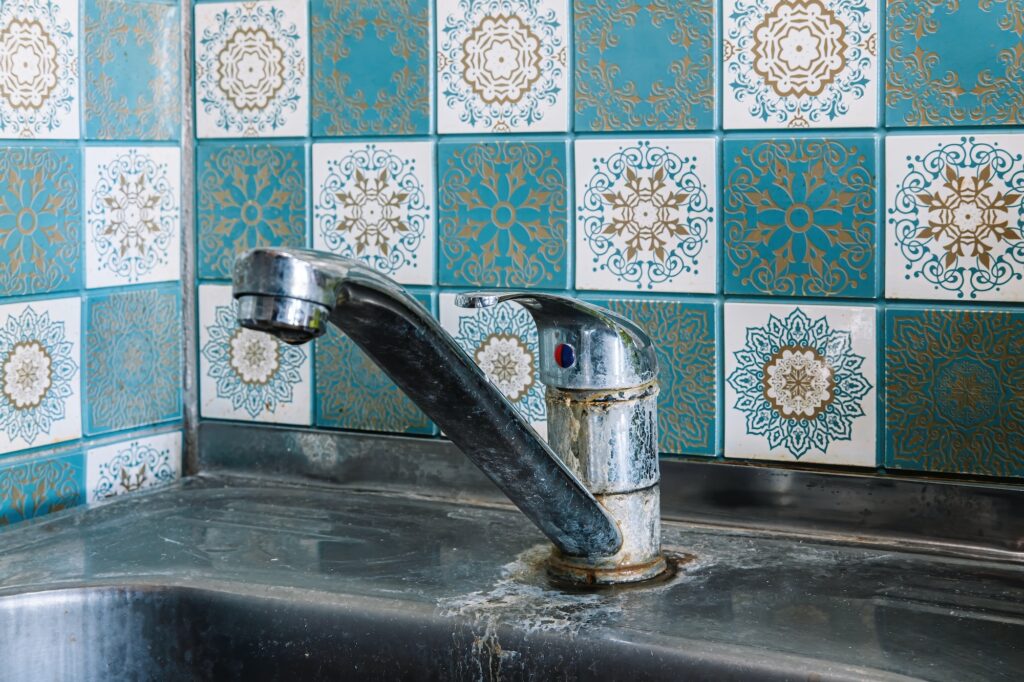
Hard water is defined by its high levels of minerals, usually calcium and magnesium. These minerals can have a significant effect on plumbing systems in the home or office, causing damage to pipes and other components over time. Common issues that arise from hard water include clogged drains, build-up in appliances, mineral deposits on fixtures, and reduced flow. All these issues are caused by limescale which forms when hard water comes into contact with metal surfaces.
In order to prevent such problems from occurring due to hard water use, it is recommended that homeowners install a water softening system. Softened water has lower concentrations of minerals in it so there will be less risk of scaling forming inside the pipes and fixtures. Water softeners also help keep fixtures clean as they reduce the amount of soap scum that builds up over time. This leads to fewer repair costs in the long run and keeps your appliances running more efficiently for longer periods without needing maintenance or replacement parts.
The negative effects of hard water can lead to costly repairs if not addressed early enough. Homeowners should consider investing in a quality water softener system before any major damage occurs. Not only will this save money down the road but it will also ensure that their appliances remain safe and functioning properly for years to come.
Common Plumbing Issues Caused By Soft Water
Soft water has many advantages over hard water, yet it can still cause plumbing issues. In particular, soft water is more likely to create problems for appliances in the home. This article will focus on the common plumbing issues caused by soft water and how to mitigate them.
The first issue that may arise from using soft water is an increased risk of pipe corrosion and blockage. Softened water contains higher levels of sodium than normal tap water which increases its alkalinity and lowers its acidity. The combination of a high pH level and low acidity can corrode pipes faster than regular tap water would. As a result, metal pipes are especially vulnerable as they are prone to rusting if exposed to softened water over a prolonged period of time. Furthermore, this corrosive nature can also lead to clogging in drains due to limescale formation along the interior walls of pipes.
Another possible consequence of using soft water is damage to certain appliances such as washing machines or dishwashers. Sodium-based detergents are often recommended when dealing with softened water as these do not require additional minerals for cleaning like traditional soap does. However, too much sodium could potentially harm some components within home appliances leading to potential repair costs down the line. Another concern regarding appliance use with softened water is that it tends to leave residue behind on fabrics or dishes after laundering or cleaning respectively; making them feel stiff or look dull compared to items washed with non-softened tapwater.
With all this information in mind, homeowners should be aware that while there are benefits associated with softer forms of H2O, there are caveats that come with it too; particularly in terms of plumbing maintenance and appliance usage around the house. It’s important that any homeowner considering installing a softener understand both sides before committing so they make well informed decisions regarding their household needs.
How Does Hard And Soft Water Affect Appliances?
Hard and soft water can have a significant impact on the operation of household appliances. Soft water is often considered to be better for everyday use in households, as it has been shown to lead to fewer problems with clogged pipes and taps. However, hard water can also cause issues over time if not monitored properly. It is important to understand how both types of water affect appliances before making a decision on which type of water should be used in the home.
The effects of hard or soft water on an appliance’s performance depend largely on the mineral content present in the specific type of water being used. Hard water contains higher levels of calcium and magnesium ions than soft water does, which can build up inside pipes and other components within an appliance over time and reduce its efficiency. This buildup can eventually lead to corrosion and malfunctioning parts that will require expensive repairs or replacements.
Soft water, on the other hand, requires less maintenance due to its lack of minerals that are responsible for those deposits found in hard water. Although there may not be any major issues associated with using it immediately, it could still potentially damage certain materials such as aluminum or copper after long-term use since these metals react poorly with alkaline substances found in soft waters. To ensure optimal performance from their appliances, homeowners should consider testing their existing supply when possible and take preventive action by installing filters or descalers where necessary.
Common Appliance Issues Caused By Hard Water
Hard water is a type of water that has high levels of minerals such as calcium and magnesium, while soft water contains few or no mineral ions. The difference between these two types of water can have an adverse effect on the functioning of appliances in many cases. This article will discuss some common issues caused by hard water when used with appliances.
The hardness of the water affects how often cleaning needs to be done on the appliance and its parts. Harder waters are more likely to leave deposits behind which can build up over time and cause operational problems, especially with machines like washing machines, dishwashers and coffee makers. Minerals left behind by hard water can also block pipes, reducing efficiency and leading to clogs. Additionally, limescale buildup may damage heating elements within the machine, causing them to stop working correctly or even break down completely if not regularly cleaned and maintained.
To avoid potential appliance-related issues due to hard water usage, regular maintenance should be performed on all applicable household equipment. Descalers should be added occasionally to remove any existing limescale from inside appliances; this process allows for efficient energy consumption and helps prevent future damages from occurring. Furthermore, it’s important to check your local tapwater for signs of hardness before using it in any device so you know what sort of maintenance routine is necessary for safe operation without damaging components.
Overall, understanding the effects that hard water can have on various home appliances is essential for proper care and upkeep throughout their lifetime. Regular descaling combined with checking local tapwater hardness ensures that these devices run smoothly without experiencing major malfunctions or breakdowns due to mineral deposits found in harder waters.
Common Appliance Issues Caused By Soft Water
Soft water is much different from hard water, and this affects the way it interacts with appliances. Many people are unaware of how soft water can affect common household appliances, as many only consider issues caused by hard water. As such, understanding what appliance issues can be caused by soft water is essential for proper maintenance.
Typically, the most significant difference between these two types of water lies in their mineral content. Hard water contains a high concentration of dissolved minerals like magnesium and calcium while soft water has very little to none at all. These differences cause various problems that may arise when using certain appliances.
One issue occurs with hot-water heaters due to scale buildup due to the lack of minerals in the soft water. When heated, these deposits form an insulating layer on heating elements or pipes which prevents them from transferring heat properly and reduces efficiency. Furthermore, soap scum can build up more quickly over time since there are no counterbalancing minerals present in the soft water supply that would help prevent its formation. Additionally, washing machines may suffer similar effects if not properly maintained; areas where lint collects often become clogged faster due to soap residue from detergent mixed with the soft-water supply instead of forming into suds that rinse away easily like they do with normal levels of hardness.
Appliances must therefore be monitored closely when running on a system with low mineral content, as any blockages could lead to potential damage or malfunctioning components unless regularly serviced and cleaned correctly according to manufacturer instructions. Regular inspection and maintenance should also occur so users can spot any sudden changes in performance along with checking for signs of corrosion or sediment buildup that could indicate improper functioning related to use of soft water supplies.
Preventative Measures For Hard Water Damage
Water is a vital resource for many households, and the type of water running through the pipes can have implications on both plumbing and household appliances. Hard water contains higher concentrations of minerals such as calcium and magnesium, which can lead to build-up in pipes over time. Soft water has lower mineral content than hard water, but this can still cause issues with some types of metal pipes or fixtures. In order to protect plumbing against potential damage from either hard or soft water, there are several preventative measures that homeowners should consider.
First, it is important to note that all homes will require some level of maintenance regardless of their water quality; this includes keeping an eye out for leaks or blockages that may develop. Regular inspections by a professional plumber can help identify any existing problems before they become more serious. Additionally, using filtration systems or descaling technologies can help reduce the amount of minerals present in the home’s water supply; these solutions may be especially beneficial if one lives in an area where hard water is particularly common.
Finally, certain materials and fixtures used in plumbing installations are designed to resist corrosion caused by various levels of mineral buildup; copper piping, stainless steel fittings, brass valves, and PEX plastic tubing are just a few examples. Homeowners should always inquire about what materials best suit their particular situation when making renovations or repairs to ensure that plumbing remains durable over time. Taking proactive steps like these can go a long way towards preventing costly repairs due to improper installation or inadequate protection from damaging effects of hard or soft water.
Preventative Measures For Soft Water Damage
Preventative measures for soft water damage should be taken seriously because it can lead to costly repairs. Soft water is created by removing the minerals which make up hard water, and while this produces many benefits, such as increased lathering of soaps, there are potential negative effects on plumbing fixtures and appliances when too much calcium carbonate or magnesium is removed from the water source. Thus, homeowners must take proactive steps in order to protect their investments from corrosion and deterioration that can result from soft water use.
The first preventative measure for households with soft water is to regularly inspect pipes for signs of corrosion or deterioration. This includes checking under sinks, behind toilets, around tubs and showers, along baseboards, and near any appliance connected to a hot-water line. If discoloration or rusting of metal components is observed then corrective action must be taken immediately to avoid further damage due to accelerated erosion caused by acidic levels present in softened water supplies.
Another way to reduce risks associated with soft water usage is through regular maintenance of appliances like dishwashers and washing machines. For instance, running an empty cycle every month using vinegar helps remove scale buildup inside pipes or hoses that may have been left behind after partial mineral removal during the softening process. Additionally, consider flushing out all faucets at least once per year in order to clear sediment accumulations that could restrict flow rates over time if not addressed promptly.
By following these simple guidelines homeowners can help ensure proper functioning of both plumbing systems and household appliances connected directly or indirectly to softened sources of drinking water—avoiding unexpected repair costs down the road due to undetected corrosive forces active within a home’s interior infrastructure.
Cost Of Replacing Damaged Plumbing And Appliances
Replacing damaged plumbing and appliances due to hard or soft water can be a costly endeavor. The cost of these replacements depends on many factors, including the type of damage, the materials needed for repair, the labor costs associated with installation, and any additional parts that may need to be purchased. In some cases, replacing older systems with more modern models is necessary in order to avoid future issues caused by either hard or soft water.
The average cost of repairing plumbing and appliance damage from hard water runs anywhere between three hundred dollars and one thousand dollars depending on what needs to be repaired. Soft water damages tend to run much higher as they require specialty equipment such as reverse osmosis filters which are expensive both upfront and over time since their filters must be replaced periodically. Repairing an entire system can easily reach five thousand dollars or more depending on how extensive the damage is.
Given this high level of financial commitment required when it comes to replacing damaged plumbing and appliances due to either hard or soft water, preventative measures should always be taken first before making any costly repairs. Regular maintenance checks can help identify potential problems early while also ensuring that all pipes are clear of buildup and corrosion so they last longer without needing replacement prematurely. Additionally, installing quality filtration systems into existing piping networks will help reduce the amount of sediment particles entering through the taps leading to less wear-and-tear in general for all components down the line.
Conclusion
In conclusion, it is important to understand the difference between hard and soft water in order to identify potential risks to plumbing and appliances. Hard water can cause build-up of minerals, leading to clogged pipes or decreased efficiency of fixtures. Soft water may be more corrosive, causing damage due to weak pipe material over time. Appliances such as washing machines and dishwashers can also be affected by either type of water depending on their design. Taking preventive measures like maintenance checks and using protective coatings can help reduce the risk of costly repairs or replacements resulting from these issues. Understanding how hard or soft water might affect a home is essential for effective long-term planning when it comes to maintaining plumbing systems and appliances.


